Wood Flooring in Kitchens: Is It a Good Idea?
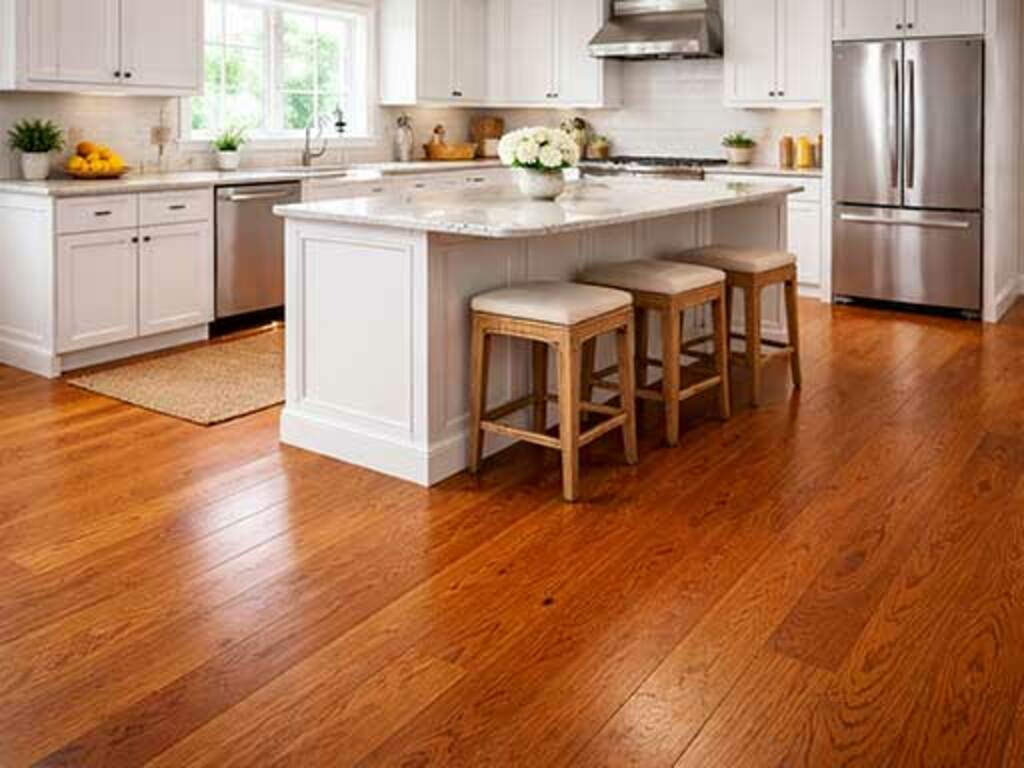 Choosing the right flooring for your kitchen is one of the most important decisions in home design. Wood flooring in the kitchen has become increasingly popular amongst homeowners seeking warmth and elegance, yet many remain uncertain whether it truly suits the demands of a busy culinary space. This guide explores the practicalities, advantages, and considerations when installing wood flooring in kitchens across the UK, helping you make an informed decision for your home.
The Appeal of Wood Flooring in Modern Kitchens
Wood flooring offers undeniable aesthetic appeal. Its natural grain patterns, warm tones, and timeless character create an inviting atmosphere that many homeowners find irresistible. Whether you prefer the Scandinavian minimalism of Boen's designs or the robust elegance of Kahrs collections, wood brings sophistication to kitchen spaces that harder materials sometimes cannot match.
Beyond looks, wood flooring integrates seamlessly with open-plan living, where kitchens flow into dining and lounge areas. The continuity of material creates visual harmony throughout these interconnected spaces, making rooms feel larger and more cohesive.
The Practicality Question: Can Wood Handle Kitchen Life?
Moisture and Humidity Challenges
The primary concern for wood flooring kitchen installations centres on moisture exposure. Kitchens are inherently damp environments—steam from cooking, washing-up water, and general humidity pose genuine risks to traditional hardwoods. Water can cause wood to swell, cup, or warp, potentially leading to costly repairs.
Kitchens experience particular challenges given the climate. Central heating creates dry indoor environments in winter, whilst summer humidity fluctuates. This constant expansion and contraction stresses wood's dimensional stability. Premium brands like Elka engineer their products with enhanced moisture resistance through advanced lacquer treatments and stabilisation techniques, though no wood flooring is entirely waterproof.
Scratches and Daily Wear
Kitchen activity generates significant foot traffic. Sharp objects—dropped cutlery, chair legs, and abrasive debris—readily scratch wood surfaces. Whilst scratches develop character over time, some homeowners find this aesthetic undesirable. High-traffic kitchens require robust finishes and regular maintenance to preserve appearance.
Advantages of Kitchen Wood Flooring
- Warmth and comfort: Wood feels pleasant underfoot, reducing fatigue during extended cooking sessions compared to cold tile or concrete
- Acoustic benefits: Wood absorbs sound better than hard alternatives, making kitchens quieter and more pleasant
- Value addition: Quality wood flooring enhances property value, particularly in premium properties
- Refinishing potential: Unlike vinyl or laminate, solid wood can be sanded and refinished multiple times, extending its lifespan indefinitely
- Natural insulation: Wood provides slight thermal insulation, helping maintain comfortable temperatures underfoot
- Low VOC emissions: Solid wood contains no volatile organic compounds, supporting healthier indoor air quality
- Design flexibility: Available in numerous species, finishes, and plank widths—brands like Boen offer exceptional variety
- Durability: Properly maintained wood flooring lasts 20+ years, matching or exceeding engineered alternatives
Disadvantages and Real Concerns
- Moisture sensitivity: Standing water and prolonged dampness cause irreversible damage; kitchen spills demand immediate attention
- Maintenance demands: Regular sweeping, prompt spill cleanup, and periodic resealing are non-negotiable
- Slipping hazard: Wood becomes slippery when wet, presenting safety concerns in kitchens with young children or elderly residents
- Initial cost: Quality engineered wood from brands like Kahrs or Boen requires significant upfront investment
- Installation expertise: Professional fitting is essential; poor installation compromises moisture protection and performance
- Limited refinishing: Engineered wood cannot be sanded deeply due to thin veneer layers, though solid wood alternatives can
- Temperature sensitivity: Underfloor heating requires careful specification; incompatible systems cause cupping and gaps
- Professional repairs: Damage often requires professional refinishing rather than simple replacement
Top Wood Flooring Brands for Kitchen Installation
Boen
Boen specialises in engineered hardwood engineered for demanding environments. Their ProParquet and Stonewashed collections feature robust surface treatments designed to resist moisture and staining. Boen's products carry extended warranties and offer excellent dimensional stability—crucial for kitchens. Their Scandinavian heritage emphasises understated elegance alongside practicality.
Elka
Elka provides premium engineered wood with exceptional quality control. Their lacquered finishes provide superior protection against kitchen hazards, and their moisture-resistant core construction withstands humidity fluctuations typical in homes. Elka's attention to surface finishes makes them particularly suitable for food preparation areas where spill resistance matters.
Kahrs
Kahrs brings heritage craftsmanship to contemporary kitchens. Their engineered planks feature a pre-finished, ultra-durable lacquer that resists scratches and stains effectively. Kahrs' Swedish engineering emphasises longevity and performance, with designs ranging from pale naturals to rich, sophisticated tones perfect for diverse kitchen aesthetics.
Best Practices for Kitchen Wood Flooring Installation
Engineered vs. Solid Wood
Engineered wood is genuinely superior for kitchens. Its multi-ply construction resists moisture and humidity changes better than solid wood. The thin hardwood veneer sits atop plywood, which remains dimensionally stable despite environmental fluctuations. Solid wood works only in exceptionally dry kitchens or where moisture control is exceptional.
Moisture Barriers and Underlay
Professional installers should apply moisture barriers beneath the subfloor. Quality underlay improves moisture management and adds sound insulation. Ask whether your installer uses moisture-resistant membranes—this investment pays dividends through extended floor lifespan.
Finishing Specification
Specify lacquered rather than oiled finishes for kitchen environments. Lacquer provides superior moisture and stain resistance. Matt finishes hiding fingerprints and minor dust better than gloss, making kitchens easier to maintain visually.
Professional Installation and Acclimatisation
Allow wood flooring to acclimate for 2-3 weeks in your home before installation. This permits the material to adjust to humidity levels, preventing post-installation movement. Professional installation by experienced fitters ensures proper spacings, moisture management, and finish quality.
Maintenance Requirements for Kitchen Wood Floors
Daily care involves regular sweeping to remove abrasive dust and grit. Use microfibre mops with water-based, pH-neutral cleaners specifically formulated for wood. Never saturate floors; dampen mops lightly instead. Immediately wipe spills, especially oils, vinegar, and alcohol-based liquids. Place trivets under hot pans and use coasters for glasses.
Quarterly maintenance includes inspecting for cupping, gaps, or damage. Annual professional cleaning removes accumulated grime from grooves. Every 3-5 years, apply specialist wood floor sealant to maintain water resistance. Avoid wax-based products, which leave slippery residues.
Practical Alternatives to Consider
If concerns persist, wood-effect vinyl and high-quality laminate offer wood aesthetics with superior moisture resistance. However, these lack wood's durability and refinishing potential. Hybrid flooring—combining wood-look vinyl with rigid core construction—provides excellent kitchen performance.
Conclusion
Wood flooring in the kitchen can absolutely succeed when chosen thoughtfully and installed professionally. Engineered wood from reputable manufacturers like Boen, Elka, and Kahrs delivers the warmth and character homeowners desire while offering practical durability for kitchen environments. Success requires acknowledging moisture challenges, committing to consistent maintenance, and selecting moisture-resistant products with robust surface finishes. For homeowners who appreciate wood's natural beauty and are willing to care for their investment, kitchen wood flooring remains a rewarding choice that enhances both property value and daily living quality.