Comparing Oak Parquet and Engineered Wood Flooring
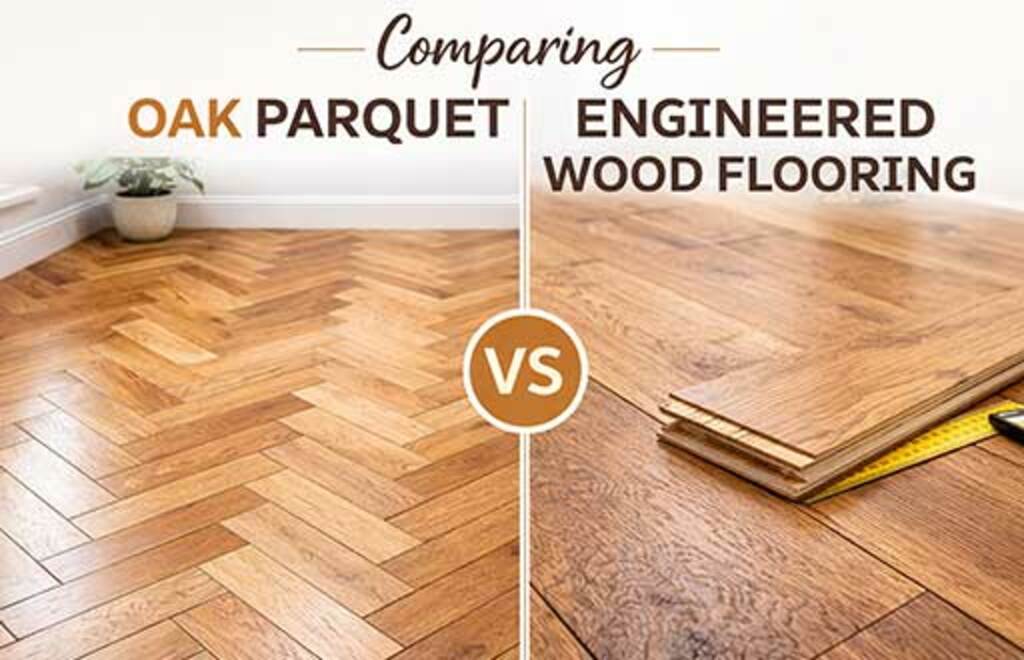 When it comes to choosing flooring for your home, the options can be overwhelming. Among the most popular choices are oak parquet and engineered wood flooring. Both types offer distinct advantages and aesthetic appeal, making them favourites among homeowners and designers alike. In this article, we will explore the key differences between oak parquet and engineered wood flooring to help you make an informed decision for your space.
What is Oak Parquet Flooring?
Oak parquet flooring is composed of solid wood blocks or strips that are arranged in geometric patterns, often creating a classic and elegant look. This type of flooring is crafted from oak, a durable hardwood known for its strength and longevity. Oak parquet is typically installed in a herringbone or chevron pattern, adding a unique visual interest to any room.
One of the significant advantages of oak parquet is its ability to be sanded and refinished multiple times, which can extend its lifespan considerably. In terms of thickness, oak parquet planks usually range from 18mm to 22mm. This solid construction provides excellent insulation and noise reduction, making it an ideal choice for both residential and commercial spaces.
Understanding Engineered Wood Flooring
Engineered wood flooring consists of several layers of wood, with a top layer of real hardwood veneer and multiple layers of plywood or high-density fibreboard beneath. This construction offers greater stability compared to solid wood, making engineered wood less susceptible to warping and shrinking due to changes in humidity and temperature. The thickness of engineered wood flooring typically ranges from 12mm to 20mm, and it can also be finished in various styles and colours, including oak finishes.
Engineered wood flooring is often considered an excellent option for areas where solid wood flooring might struggle, such as basements or rooms with high moisture levels. Its multi-layered design enables it to maintain its shape and appearance over time, even in less-than-ideal conditions.
Key Differences Between Oak Parquet and Engineered Wood Flooring
To further understand oak parquet vs engineered wood flooring, let's explore some key differences:
- Construction: Oak parquet is solid wood, while engineered wood consists of multiple layers, with a hardwood veneer on top.
- Installation: Oak parquet requires a more complex installation process, often needing professional fitting due to its solid nature. Engineered wood, on the other hand, can be installed as a floating floor, making it easier for DIY enthusiasts.
- Durability: While both options are durable, oak parquet can be sanded down and refinished multiple times, whereas engineered wood can typically only be refinished once or twice, depending on the thickness of the veneer.
- Moisture Resistance: Engineered wood offers superior resistance to moisture and temperature fluctuations, making it suitable for areas where solid wood may not perform as well.
- Aesthetic Appeal: Oak parquet provides a timeless, classic look, while engineered wood can offer more variety in terms of style and finish.
Cost Considerations
When comparing oak parquet vs engineered wood flooring, cost is an essential factor to consider. Oak parquet flooring can be more expensive due to the cost of solid oak and the complexity of installation. Prices for oak parquet typically range from £40 to £100 per square metre, depending on the quality and design.
On the other hand, engineered wood flooring tends to be more budget-friendly, with prices ranging from £25 to £60 per square metre. This makes engineered wood an appealing option for those looking to achieve the look of hardwood without the higher price tag.
Maintenance and Care
Both oak parquet and engineered wood flooring require regular maintenance to keep them looking their best. For oak parquet, periodic sanding and refinishing can help restore its original appearance, while simple cleaning with a damp mop and appropriate wood cleaner will suffice for everyday care.
Engineered wood flooring is typically easier to maintain, as it does not require sanding or refinishing as often. Regular sweeping and occasional damp mopping with a suitable cleaner will help maintain its appearance. However, it is essential to avoid excessive moisture to prevent damage to the underlying layers.
Conclusion
Ultimately, the choice between oak parquet vs engineered wood flooring depends on your specific needs, preferences, and budget. Oak parquet offers a classic, timeless aesthetic and the ability to be refinished multiple times, making it a solid investment for those willing to spend more on installation and maintenance. Engineered wood flooring provides a more versatile, cost-effective solution with superior moisture resistance, making it a practical choice for various living conditions.
By considering factors such as installation complexity, maintenance requirements, and aesthetic preferences, you can make a well-informed decision that best suits your home and lifestyle.