Water-Based vs Oil-Based Floor Lacquer: A Complete Buyer's Guide
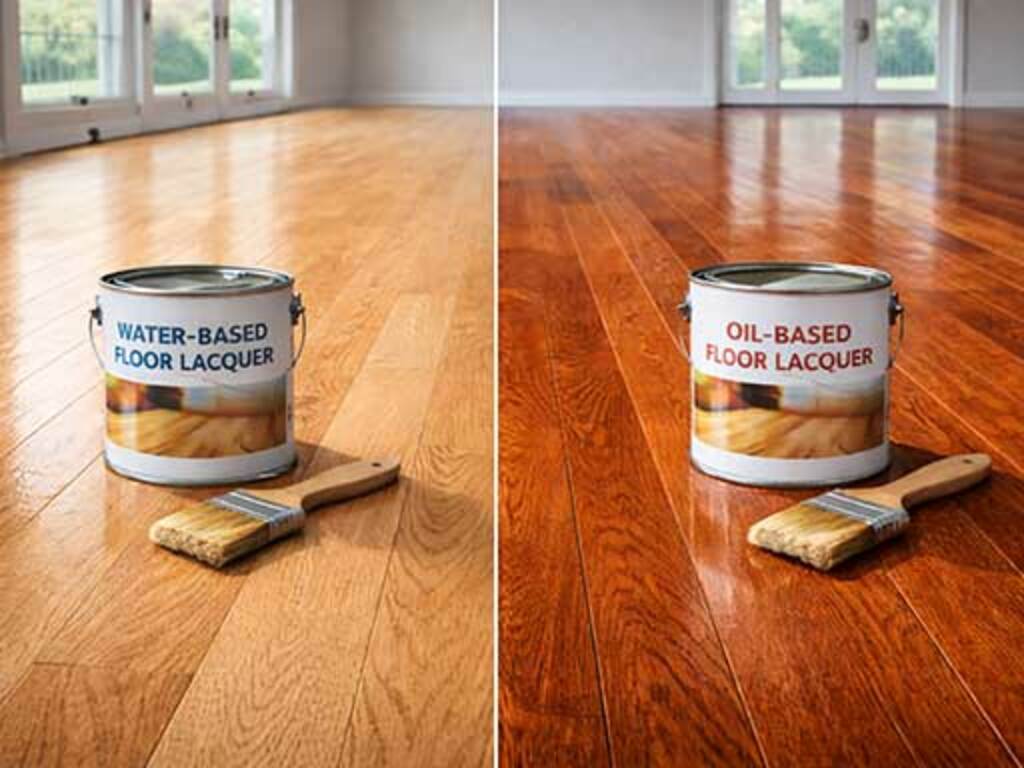 Choosing between water-based vs oil-based floor lacquer is one of the most significant decisions you'll make when finishing wooden floors. Both options offer distinct advantages and drawbacks that directly impact the appearance, durability, and maintenance requirements of your flooring investment. This guide examines the key differences to help you make an informed choice suited to your home and lifestyle.
Floor lacquer serves as a protective topcoat that shields wood from moisture, scratches, and daily wear. The base formula—water or oil—fundamentally changes how the product performs, dries, and maintains its appearance over time. Understanding these differences ensures your chosen finish delivers the protection and aesthetic you desire.
Water-Based Floor Lacquers: Key Characteristics
Water-based lacquers have gained substantial popularity among homeowners over the past decade. These finishes use water as the primary solvent, with resin particles suspended throughout the formula. When applied to wood, the water evaporates, allowing the resins to cure and form a protective layer.
Drying Time and Application
One of the most compelling advantages of water-based lacquers is their rapid drying time. Most quality products dry to the touch within 2–4 hours, with full cure achieved in 24–48 hours. This accelerated timeline means you can apply multiple coats in a single day, significantly reducing project duration. Leading brands like Bona offer water-based systems specifically engineered for quick turnaround, which is particularly valuable if you need to reoccupy rooms promptly.
Appearance and Amber Tone
Water-based lacquers dry clear, maintaining the wood's natural colour without introducing the warm amber or honey tones characteristic of oil-based finishes. This clarity makes water-based options ideal for pale woods, contemporary interiors, or situations where you want the wood's true character to shine through unaltered. However, some homeowners prefer the enriched, traditional appearance that oil-based finishes provide.
Environmental and Health Considerations
Water-based lacquers contain significantly lower levels of volatile organic compounds (VOCs) than oil-based alternatives. This reduced chemical content means fewer harmful fumes during application and curing, creating a safer environment for your family and reducing odour issues. If air quality is a priority—particularly in homes with children or pets—water-based systems provide substantial benefits.
Maintenance and Longevity
Modern water-based lacquers, such as those from Osmo, deliver impressive durability when properly applied and maintained. They resist scratches effectively and withstand moisture better than many perceive. However, they can be slightly more susceptible to water spotting if spills aren't wiped immediately, requiring more vigilant cleaning practices. Most water-based products need recoating every 5–7 years, depending on traffic levels.
Oil-Based Floor Lacquers: Key Characteristics
Oil-based lacquers have been the traditional choice for wooden floors for generations. These finishes use mineral oils or synthetic oils as the carrier, imparting depth and warmth to the wood whilst providing robust protection.
Drying and Curing Timeline
Oil-based lacquers require considerably longer to dry than their water-based counterparts. Initial drying typically takes 8–16 hours per coat, with complete curing extending to 1–2 weeks or longer. This extended timeline means spacing coats further apart and keeping rooms unoccupied for extended periods. Brands like Blanchon offer high-quality oil-based systems, but patience remains essential when using them.
Aesthetic Qualities and Wood Enhancement
Oil-based finishes enrich wood with warm, honey-like tones that many find aesthetically pleasing. The finish settles into the wood grain, creating depth and a traditional, luxurious appearance. This amber enhancement is particularly flattering on medium to darker wood species, complementing classic and period-style interiors beautifully. The visual transformation can be dramatic compared to water-based alternatives.
Durability and Resilience
Oil-based lacquers excel in durability and resistance to impact and abrasion. They're particularly well-suited to high-traffic areas, commercial spaces, and homes with dogs or active families. Products from Pallmann, for instance, deliver exceptional longevity under demanding conditions. The finish creates a harder, more resilient surface that resists scratches and daily wear effectively.
Moisture Performance
Contrary to assumptions, quality oil-based finishes provide solid moisture resistance. However, they're less effective than water-based systems at preventing water spotting and staining. Spills require immediate attention, and areas prone to splashing (kitchens, bathrooms) may need more frequent maintenance.
Comparing Performance Across Key Factors
Drying Speed Comparison
- Water-based: 2–4 hours to touch dry; 24–48 hours to full cure; multiple coats achievable in one day
- Oil-based: 8–16 hours per coat minimum; 1–2 weeks for complete curing; typically 3–5 day gaps between applications
Visual Impact and Colour
- Water-based: Clear, natural wood colour; ideal for pale woods; modern aesthetic; no amber enrichment
- Oil-based: Warm amber tones; enhanced grain visibility; traditional appearance; deepens wood colour
Durability in Various Environments
Water-based finishes perform exceptionally well in moisture-prone areas when properly sealed and maintained. Oil-based systems excel in high-traffic zones requiring maximum abrasion resistance. For kitchens and bathrooms, water-based products from Bona provide superior moisture management. For living rooms and bedrooms with moderate traffic, either option works effectively.
Cost Considerations and Long-Term Value
Water-based lacquers typically cost 15–25% more per litre than oil-based alternatives initially. However, the shorter drying time reduces labour costs if hiring professionals, and faster recoating intervals mean potential time savings. Oil-based systems cost less upfront but demand more time investment and longer intervals between applications.
Long-term value depends on your situation. If rapid project completion matters, water-based finishes justify premium pricing. If durability in high-traffic areas is paramount, oil-based systems offer excellent long-term value despite higher application time.
Making Your Final Decision
Choose water-based lacquer if you prioritise quick drying, environmental safety, natural wood colour, or live in homes where rapid turnaround is essential. Brands like Osmo and Bona deliver reliable water-based performance. Select oil-based finishes if you want traditional aesthetics, maximum durability in demanding environments, or prefer the characteristic warmth these systems impart. Pallmann and Blanchon offer excellent oil-based options.
Consider your wood type, traffic patterns, aesthetic preferences, and project timeline. Both water-based vs oil-based floor lacquers deliver professional results when properly selected and applied. Your choice ultimately reflects your priorities: speed and clarity or depth and durability.