Choosing the Right Underlay for Your Flooring Needs
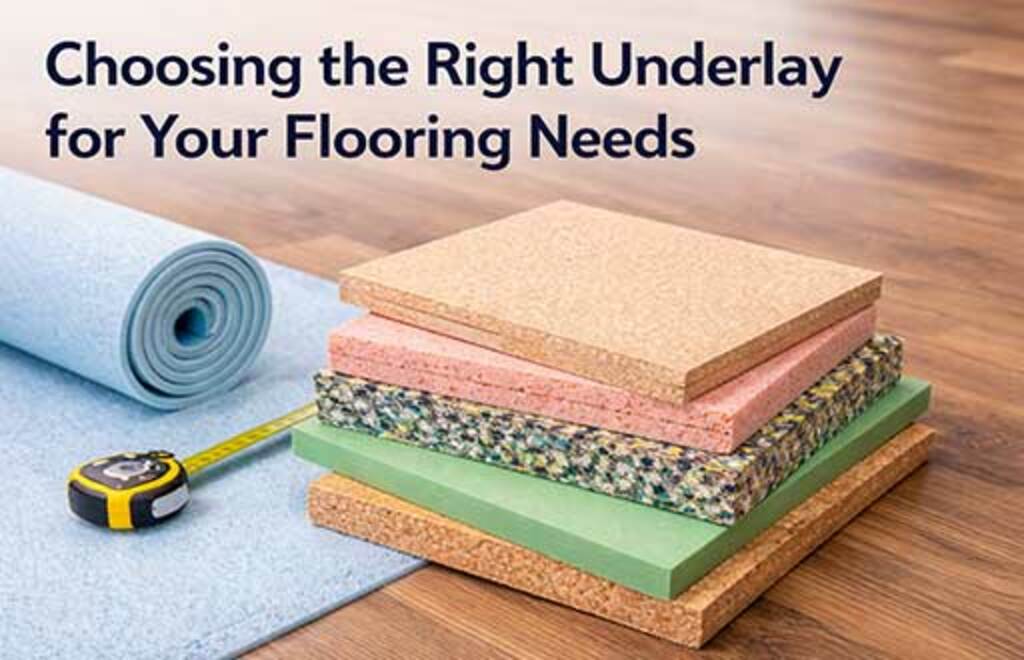 When it comes to flooring, the choice of underlay is crucial for achieving the desired performance and comfort. An underlay guide which type for which floor will help you navigate the various options available, ensuring you select the right product for your specific flooring type. Underlay serves multiple purposes, including sound insulation, thermal insulation, moisture resistance, and added comfort underfoot. This guide will explore the different types of underlay and their appropriate applications for various flooring materials.
Types of Underlay
There are several types of underlay available, each designed to meet the specific needs of different flooring types. Below is a detailed look at the most common underlay types:
- Foam Underlay: This type of underlay is made from various foam materials and is commonly used under laminate and engineered wood floors. It provides sound absorption and cushioning, making it a popular choice for residential settings.
- Rubber Underlay: Known for its durability and resilience, rubber underlay is ideal for heavy traffic areas. It is suitable for both carpet and hard flooring types, providing sound insulation and moisture resistance.
- Felt Underlay: Made from recycled materials, felt underlay is environmentally friendly and offers excellent thermal insulation. It is often used under carpets and can also be suitable for some types of hard flooring.
- Wood Fibre Underlay: This underlay is made from compressed wood fibres and is particularly effective for laminate and engineered wood floors. It provides good sound insulation and is compatible with underfloor heating systems.
- Thermal Underlay: Designed specifically for enhancing energy efficiency, thermal underlay reflects heat back into the room. It is especially useful under laminate and engineered wood flooring, helping to reduce heating costs.
Choosing the Right Underlay for Your Flooring
When selecting the appropriate underlay, several factors must be considered, including the type of flooring, the location of the installation, and the specific requirements for sound and thermal insulation. Below are some guidelines to help you make an informed decision:
1. Flooring Type
The first step in your underlay guide which type for which floor is to identify the type of flooring you plan to install. For instance:
- Laminate Floors: Opt for foam or wood fibre underlay, which provides cushioning and sound absorption.
- Carpet: Felt underlay is often recommended for carpets, as it offers comfort and insulation.
- Engineered Wood: Choose wood fibre or foam underlay; both provide the necessary support while allowing for natural expansion and contraction.
- Vinyl Floors: A thin foam underlay can be used, but ensure it is compatible with the vinyl to prevent damage.
2. Room Usage
Consider the intended use of the room where the flooring will be installed. High-traffic areas, such as hallways and living rooms, benefit from more durable underlay options like rubber or thicker foam underlay. In contrast, bedrooms may prioritise comfort and sound insulation, making felt underlay an excellent choice.
3. Moisture Considerations
If you are installing flooring in areas prone to moisture, such as bathrooms or kitchens, it is essential to choose an underlay with moisture-resistant properties. Rubber underlay is often a suitable option in these situations, as it can help prevent mould and mildew growth.
4. Sound Insulation Needs
For properties where noise reduction is a priority, especially in multi-storey buildings, selecting an underlay designed for sound insulation is vital. Rubber or acoustic underlay can significantly reduce footfall noise, making it ideal for apartments or homes with shared walls.
5. Thermal Insulation
In colder climates or for homes looking to improve energy efficiency, thermal underlay is a wise investment. This type of underlay can help retain heat, leading to lower energy bills over time. It is particularly beneficial under laminate and engineered wood floors.
Installation Tips
Once you have selected the appropriate underlay, proper installation is key to ensuring optimal performance. Here are some essential tips:
- Read Manufacturer Instructions: Always follow the manufacturer’s guidelines for both the flooring and underlay to ensure compatibility and warranty compliance.
- Acclimatise Materials: Allow both the flooring and underlay to acclimatise to the room temperature and humidity for at least 48 hours before installation.
- Use a Moisture Barrier: In damp areas, consider installing a moisture barrier beneath the underlay to protect the flooring from potential water damage.
- Cut to Fit: Use a sharp utility knife to cut the underlay to size, ensuring it fits snugly and does not overlap at seams.
- Secure the Underlay: If necessary, use double-sided tape to secure the underlay in place, particularly in high-traffic areas.
Conclusion
Choosing the right underlay is essential for optimising the performance and longevity of your flooring. This underlay guide provides a comprehensive overview of the various options available, helping you make an informed decision based on your specific requirements. By considering factors such as flooring type, room usage, moisture exposure, sound insulation needs, and thermal insulation, you can select the best underlay to enhance your flooring experience.