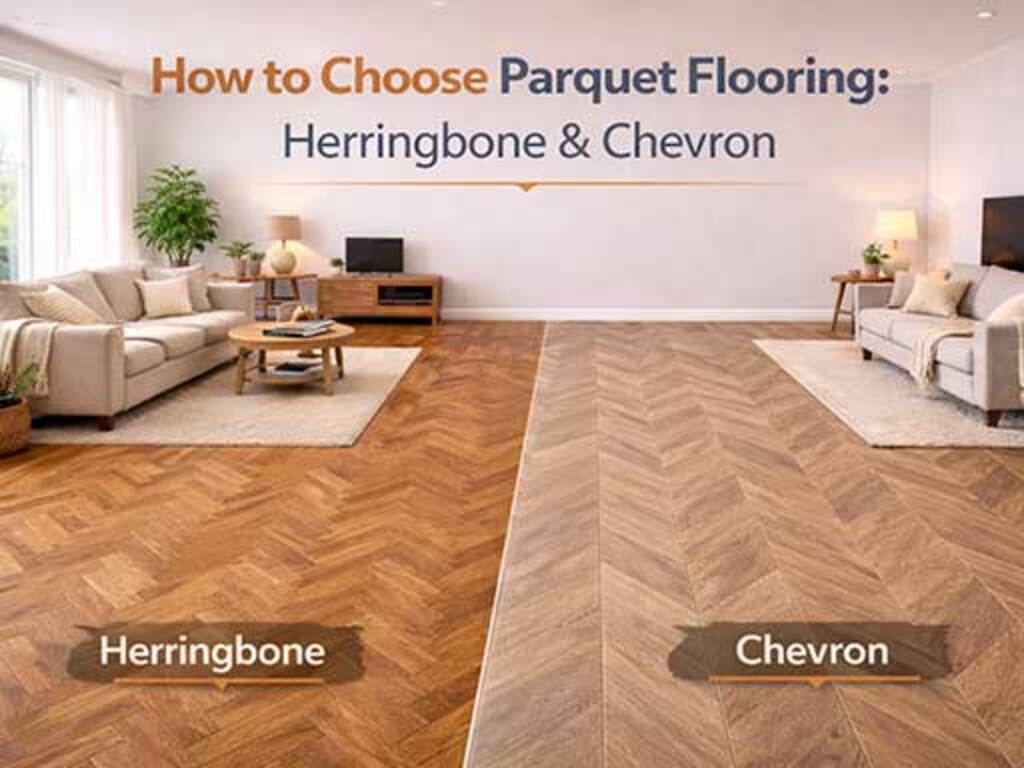
 Selecting parquet flooring for homes deserves careful consideration. This traditional flooring style combines aesthetic elegance with practical durability, yet the choice between patterns, wood species, and finishes can overwhelm buyers. Understanding the differences between herringbone and chevron designs, recognising quality wood species, and evaluating trusted manufacturers ensures you invest in flooring that enhances your property for decades.
Understanding Parquet Patterns
Parquet flooring presents two dominant geometric patterns that define its character and visual impact within living spaces.
Herringbone Pattern
Herringbone design arranges rectangular blocks in alternating directions, creating a distinctive zigzag appearance. Each plank sits at a 90-degree angle to its neighbour, producing diagonal lines that traverse the floor. This traditional pattern suits both contemporary and period properties across the UK. Herringbone creates an illusion of expanded space and adds sophisticated visual interest without overwhelming modern interiors. Installation requires careful planning and professional expertise, as precision alignment proves essential for achieving the pattern's geometric perfection. The interlocking arrangement also provides structural stability, distributing weight evenly across the floor surface.
Chevron Pattern
Chevron design features blocks arranged in a V-shaped formation, with each row angling in opposite directions to its neighbours. This creates bold chevron stripes running horizontally or vertically across the room. Chevron offers a more dramatic aesthetic than herringbone and suits spacious interiors where its bold geometry becomes a focal point. The pattern creates continuous flowing lines that guide the eye through the space, making it particularly effective in open-plan living areas. However, chevron installation demands exceptional precision; misaligned angles become immediately apparent and compromise the entire visual effect.
Selecting Wood Species for Parquet
Wood species dramatically influence colour, durability, grain character, and maintenance requirements. Understanding properties of popular species enables informed decisions aligned with your lifestyle and aesthetic preferences.
Oak
Oak remains the quintessential choice for parquet flooring across properties. European oak delivers medium to golden tones with prominent grain patterns and strong character marks. Oak's moderate hardness suits most domestic settings, though it scratches more easily than harder species. The wood's natural colour darkens gradually over the years, developing rich patina. Oak accepts various finishes beautifully, from matte naturals to glossy seals. Boen produces exceptional oak parquet options combining traditional craftsmanship with modern stability.
Walnut
Walnut presents sophisticated, deep brown tones with chocolate undertones and subtle grain patterns. This premium species commands higher prices but delivers unmatched elegance. Walnut's moderate hardness requires protective finishes and careful maintenance. The wood's natural colour remains relatively stable, though UV exposure causes gradual lightening. Walnut suits period properties and contemporary spaces, pursuing luxury aesthetics. Elka offers refined walnut parquet selections demonstrating superior wood selection and finishing precision.
Ash
Ash provides pale blonde tones with pronounced grain patterns and natural character. This harder-wearing species resists scratching better than oak and adapts well to high-traffic areas. Ash's light colouration brightens rooms and suits minimalist and Scandinavian-inspired interiors. The wood develops subtle honey tones as it ages. Ash accepts stains effectively, allowing customisation to match existing décor schemes. Tradition Classics specialises in ash parquet combinations that showcase this species' distinctive qualities.
Key Factors for Choosing Parquet Flooring
- Moisture stability: Homes experience humidity fluctuations, particularly in kitchens and bathrooms. Engineered parquet with plywood backing resists warping better than solid wood, crucial for moisture-prone areas. Ensure proper acclimation before installation and maintain stable indoor humidity between 35–55%.
- Installation method: Floating installations suit rental properties and those avoiding structural commitment. Glued installations provide permanent solutions with excellent stability. Nailed installations require compatible subfloors and professional expertise, common in period properties with solid timber bases.
- Finish type: Factory-applied finishes offer durability and consistency, whereas site-finished parquet allows customisation and seamless blending. UV-cured finishes provide superior durability; water-based finishes suit eco-conscious buyers.
- Traffic tolerance: Hallways and living areas endure heavy footfall, requiring harder-wearing species like ash. Bedrooms permit softer options like oak. Underfloor heating compatibility matters in modern homes; check manufacturer specifications before installation.
- Budget allocation: Entry-level parquet costs £30–60 per square metre; mid-range options £60–120; premium selections exceed £150. Include professional installation (£15–35 per square metre), underlay, and finishing treatments in total budgets.
Trusted Parquet Brands
Selecting reputable manufacturers ensures quality craftsmanship, realistic warranties, and reliable customer support throughout ownership.
Boen Parquet
Boen delivers Scandinavian engineering excellence combined with diverse wood species and pattern options. Their engineered parquet construction suits varying humidity conditions and installation scenarios. Boen provides generous warranties and maintains extensive support networks across British retailers.
Elka Flooring
Elka specialises in premium hardwood solutions with particular emphasis on traditional pattern authenticity. Their manufacturing processes achieve exceptional dimensional stability and surface quality. Elka products suit discerning buyers prioritising longevity and aesthetic refinement.
Tradition Classics
Tradition Classics bridges heritage craftsmanship with contemporary manufacturing standards. Their collections celebrate classic wood species and traditional patterns while incorporating modern finishes and installation compatibility. Tradition Classics appeals to buyers, honouring period property aesthetics without sacrificing modern durability.
Installation and Maintenance Considerations
Professional installation proves essential for achieving pattern precision and ensuring manufacturer warranty compliance. Quality subfloor preparation, proper acclimation, and correct adhesive application determine long-term performance. Budget additional investment for experienced specialists familiar with parquet's technical demands.
Maintenance requires regular vacuuming, occasional damp mopping with pH-neutral cleaners, and avoiding excessive moisture. Protective felt pads beneath furniture prevent scratching. Professional maintenance every 3–5 years refreshes surface protection and addresses minor wear. Avoid harsh chemicals and steam cleaners that damage wood and finishes.
Making Your Parquet Decision
Choosing parquet flooring properties involves balancing aesthetic preferences, practical performance requirements, budget constraints, and lifestyle compatibility. Herringbone patterns suit traditional elegance seekers; chevron appeals to bold design enthusiasts. Oak offers timeless reliability; walnut delivers luxury; ash provides contemporary brightness. Reputable manufacturers like Boen, Elka, and Tradition Classics ensure quality investment protected by warranties and professional support.
Visit showrooms, examine samples under natural lighting, and consult installation specialists before committing. Quality parquet flooring becomes a valued property investment, enhancing homes for generations whilst adding tangible value appreciated by future owners.