Flooring Underlay Buyer's Guide: Which Type Do You Need?
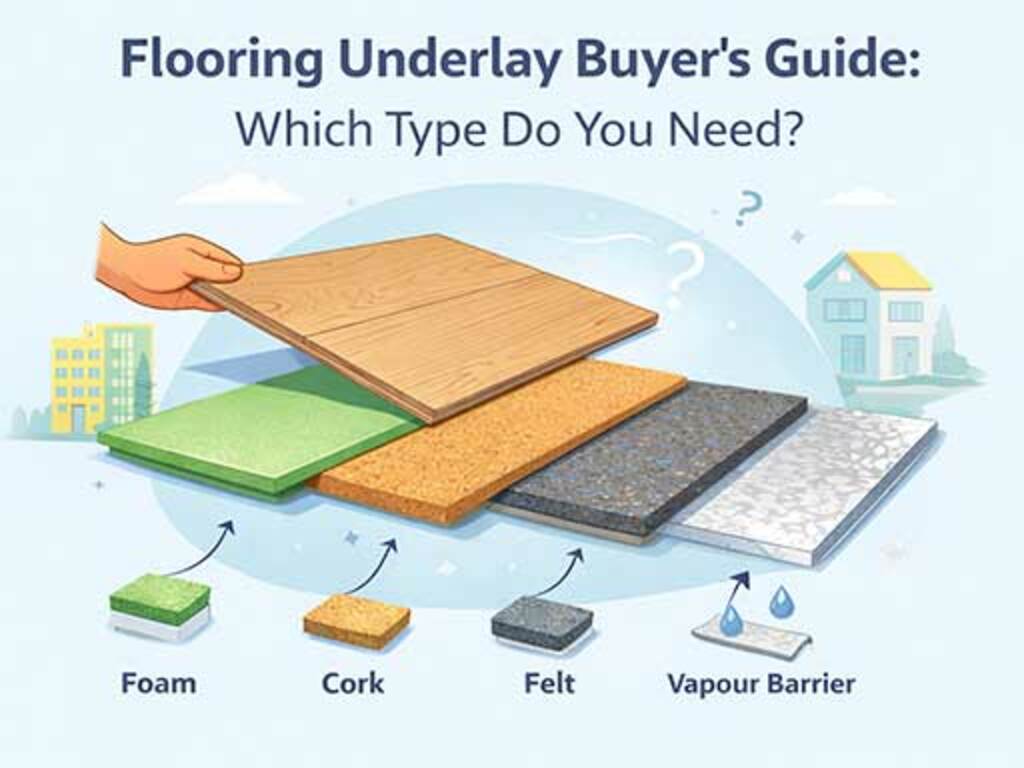 Flooring underlay products form the essential layer between your subfloor and finished flooring. This often-overlooked component plays an important role in protecting your investment, improving comfort, and extending the life of your floor. Whether you're installing laminate, vinyl, carpet, or wood flooring, selecting the correct underlay can make a significant difference to durability, performance, and overall satisfaction with your new floor.
The primary purpose of underlay is to provide cushioning, sound dampening, and moisture protection. It acts as a barrier against drafts, helps regulate temperature, and can reduce noise transmission between floors—particularly important in multi-storey homes or flats. Without proper underlay, your flooring may wear prematurely, feel uncomfortable underfoot, and develop problems like cupping or warping in wood flooring.
Types of Flooring Underlay
Foam Underlay
Foam underlay is one of the most affordable and commonly used options for laminate and vinyl flooring. It provides decent cushioning and basic moisture protection, making it suitable for ground-floor installations. Standard foam underlays typically range from 2mm to 3mm thick and offer reasonable acoustic performance. However, foam can compress over time, particularly in high-traffic areas, potentially compromising its effectiveness. For budget-conscious homeowners, budget-range foam underlay represents excellent value, though premium foam options offer superior durability and longevity.
Crumb Rubber Underlay
Made from recycled rubber granules bonded together, crumb rubber underlay delivers impressive durability and excellent sound insulation properties. Rubber underlay performs exceptionally well under laminate and vinyl flooring, offering superior compression resistance compared to foam. Crumb rubber maintains its properties over many years and provides excellent thermal insulation, helping reduce heating costs. The trade-off is a higher initial expense, though the longevity justifies the investment for many homeowners. It's particularly recommended for basements or areas prone to moisture, as rubber naturally resists dampness.
Cork Underlay
Cork represents a natural, environmentally friendly choice that combines comfort with performance. It provides excellent sound absorption, superior thermal properties, and antimicrobial characteristics. Cork underlay works beautifully under solid wood and engineered wood flooring, though it's also compatible with laminate. Natural cork's cellular structure creates inherent cushioning and resilience. It's biodegradable and sustainable, appealing to eco-conscious homeowners. However, pure cork underlay commands premium pricing and may not suit damp environments unless specially treated.
Combination Underlays
Many manufacturers now produce hybrid underlays combining multiple materials—for instance, foam with rubber crumb or cork with plastic moisture barriers. These combination products aim to provide the best characteristics of each material: cushioning from foam, durability from rubber, and natural properties from cork. Combination underlays often represent excellent compromises between performance and price, offering balanced solutions for most domestic applications.
Moisture-Barrier Underlays
Specifically designed for ground-floor installations, moisture-barrier underlays incorporate plastic sheeting or moisture-resistant treatments. These prevent water vapour rising from concrete subfloors from damaging your new flooring. Essential for kitchens, bathrooms, and basements, moisture-barrier underlays protect against cupping, warping, and mould growth. Some products feature plastic membranes on one side with foam or rubber on the other, combining protection with comfort.
Key Factors to Consider When Choosing Underlay
Subfloor Type
Your subfloor material significantly influences underlay selection. Concrete requires moisture barriers, whilst wooden joists may not. If you have an existing floor you're covering, ensure the new underlay is compatible, and that combined heights don't cause clearance issues with doors or appliances.
Room Location and Use
Ground floor rooms, kitchens, and bathrooms demand moisture protection. High-traffic areas need durable, compression-resistant underlays. Bedrooms benefit from superior sound dampening. Basements require the most robust moisture management. Consider your room's specific demands before choosing.
Flooring Type Compatibility
Not all underlays suit all flooring types. Laminate flooring typically requires thin, moisture-resistant underlays. Vinyl can work with most types, but prefers thin options for stability. Solid wood flooring requires breathable underlays to prevent moisture problems. Always check manufacturer recommendations—using incompatible underlay may void warranties.
Thickness and Compression Resistance
Thicker isn't always better. Laminate flooring manufacturers typically specify maximum underlay thickness (often 2-3mm). Too-thick underlays can cause instability and movement. Compression resistance matters more—superior underlays maintain their properties under furniture weight and foot traffic, resisting the permanent flattening that cheaper options suffer.
Acoustic Performance
If reducing noise matters to you, check the decibel reduction rating (typically measured as IIC or dB). Thicker, denser materials perform better. Crumb rubber and natural cork excel here, basic foam offers minimal improvement.
Underlay Selection Guide for Common Flooring Types
Laminate Flooring
Laminate requires a thin (2-3mm), moisture-resistant underlay with good compression resistance. Foam or crumb rubber works well; avoid overly thick options that cause instability. Always ensure moisture barriers if your subfloor is concrete.
Vinyl and Luxury Vinyl Flooring
Thin, dimensionally stable underlays suit vinyl best. Budget foam works adequately; premium foam, crumb rubber, or specialist vinyl underlays optimise performance. Moisture protection remains essential for all vinyl installations.
Engineered and Solid Wood Flooring
Wood requires breathable underlays, preventing moisture entrapment. Cork, engineered foam with moisture barriers, or specialist wood flooring underlays suit best. Avoid completely impermeable barriers that trap moisture beneath the wood.
Installation and Practical Considerations
Proper underlay installation ensures maximum benefit. Roll underlays in the direction of your flooring planks. Overlap joints by 5-10cm, securing with tape to prevent shifting. Ensure complete coverage—gaps compromise moisture protection and comfort. For moisture-barrier underlays, ensure the plastic side faces downward toward the concrete. Remove all subfloor debris beforehand, as even small particles diminish underlay effectiveness.
Budget Considerations and Best Value Options
Flooring underlay pricing ranges dramatically. Basic foam costs £0.30-0.60 per square metre, whilst premium crumb rubber reaches £2-3 per metre. Cork occupies the premium category at £2-4 per metre. Consider long-term value: cheaper underlays compress within 5-10 years, quality products maintain performance 15+ years. For most homeowners, mid-range foam or crumb rubber combinations offer optimal value, delivering solid performance without excessive expense.
Final Recommendations
Investing in appropriate flooring underlay products protects your flooring investment and enhances your home's comfort significantly. Assess your specific situation—subfloor type, room function, flooring choice, and budget—then select accordingly. Avoid false economy with substandard underlays; quality options cost marginally more initially but deliver superior durability, comfort, and protection over the years of use. When in doubt, consult your flooring installer or manufacturer's specifications to ensure compatibility and warranty protection.