Complete Guide to Choosing the Right Flooring Adhesive
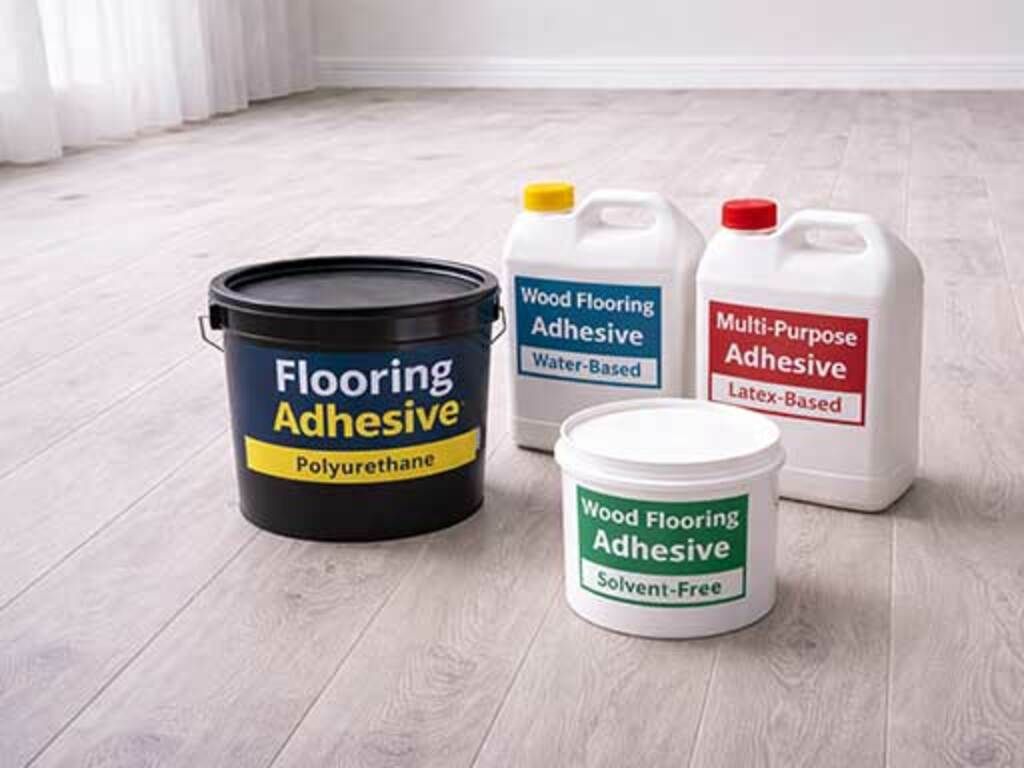 Selecting the right flooring adhesive is fundamental to ensuring your floor installation lasts for decades. Whether you're laying luxury vinyl tiles, timber boards, ceramic tiles or stone, the adhesive you choose directly impacts durability, performance and aesthetics. British flooring professionals understand that adhesive selection isn't a one-size-fits-all decision—it depends on substrate type, environmental conditions, foot traffic levels and the specific flooring material being installed.
Main Types of Flooring Adhesives
Acrylic-Based Adhesives
Acrylic adhesives represent an economical choice widely used across the UK for flexible flooring materials. These water-based solutions work exceptionally well for vinyl, cork and rubber applications. They offer low VOC emissions, making them suitable for residential environments, including homes with children or pets. Acrylic adhesives typically cure within 24 hours, allowing relatively quick foot traffic resumption. However, they perform less effectively in moisture-heavy areas like commercial kitchens.
Polyurethane Adhesives
Polyurethane-based options deliver superior flexibility and moisture resistance, making them ideal for kitchens, bathrooms and wet environments. These one or two-component systems create waterproof bonds that withstand humidity fluctuations without compromising adhesion. Installers favour polyurethane for wood flooring on suspended timber floors or concrete with existing dampness issues. The extended cure time—typically 48 to 72 hours—requires temporary access restriction, but the investment yields exceptional longevity.
Epoxy Adhesives
Epoxy systems provide industrial-strength bonding suitable for commercial applications and high-traffic areas throughout British buildings. These two-component adhesives create rigid, moisture-resistant connections perfect for stone, porcelain tiles and polished concrete installations. Epoxy handles temperature cycling and heavy loads without failure. Whilst more expensive than acrylic alternatives, epoxy's durability justifies premium pricing for demanding environments.
Silicone-Based Options
Silicone adhesives excel in flexibility and joint movement accommodation, particularly valuable for expansive flooring installations. Commonly applied as sealants around peripheries, silicon maintains integrity despite building movement. These remain popular for speciality applications where rigid bonding could cause problems.
Pressure-Sensitive Adhesives (PSA)
Pressure-sensitive formulations require no water or chemical activation—simply layingthe material applies sufficient pressure to activate adhesion. Commonly found in peel-and-stick vinyl products, PSA offers installation convenience for DIY projects. Though adequate for light residential use, they rarely match traditional adhesive performance under demanding conditions.
Matching Adhesives to Flooring Materials
Each flooring type demands specific adhesive characteristics. Understanding these relationships prevents costly installation failures and warranty disputes.
Timber and Wood Flooring
Polyurethane adhesives dominate timber installations, particularly for solid wood on concrete subfloors. They accommodate wood's natural movement whilst resisting moisture that could trigger cupping or warping. Water-based acrylic options suit floating timber systems where movement requirements differ from fixed installations.
Luxury Vinyl Tiles and Planks
Most luxury vinyl manufacturers specify acrylic or polyurethane adhesives. The choice hinges on substrate conditions—acrylic suits dry concrete, whilst polyurethane performs better on damp or challenging surfaces. Vinyl's flexibility demands adhesives allowing slight movement without bond failure.
Ceramic and Porcelain Tiles
Cementitious tile adhesives and epoxy systems work effectively for ceramic and porcelain. Traditional cement-based thin-sets remain popular for wall installations, whilst epoxy bonds are superior for heavy-traffic floor applications. Epoxy's waterproof nature proves invaluable in shower rooms and commercial kitchens throughout Britain.
Natural Stone Applications
Stone requires specialised adhesives preventing staining and moisture migration. Epoxy and polyurethane systems protect porous materials like limestone and travertine. Acrylic adhesives risk darkening or damaging sensitive natural stone finishes.
Cork and Rubber Flooring
Water-based acrylic adhesives suit cork and rubber beautifully, maintaining material flexibility. These products are environmentally conscious choices for sustainable flooring options increasingly popular in British homes.
Key Factors for Adhesive Selection
Substrate Assessment
Concrete moisture content determines adhesive suitability more than any other factor. British buildings frequently feature concrete subfloors with varying damp characteristics. Test moisture levels using calcium chloride testing before ordering materials. Damp concrete demands polyurethane or epoxy; dry concrete accommodates acrylic options.
Environmental Conditions
Temperature and humidity during installation and curing significantly affect adhesive performance. Weather variability—particularly in winter—requires careful adhesive selection matching seasonal conditions. High-humidity areas like bathrooms need moisture-resistant systems; commercial kitchens require heat-resistant formulations.
Traffic Expectations
Light residential areas tolerate acrylic adhesives happily. Commercial properties with constant foot traffic demand polyurethane or epoxy's superior strength. Considering long-term usage patterns prevents premature bond failure.
Budget Considerations
Whilst acrylic represents the most affordable option, investment in premium adhesives yields superior durability. False economy: selecting cheap alternatives frequently results in expensive reinstallation projects.
Application Best Practices for Installers
- Always prepare subfloors properly—clean, level surfaces free from dust, paint, or residue, ensure optimal adhesion
- Allow adhesives to reach room temperature before application; cold products apply unevenly
- Follow manufacturer guidelines regarding trowel size and adhesive thickness
- Maintain consistent pressure throughout installation using weighted rollers or beating blocks
- Respect cure times before permitting foot traffic—rushing installation compromises long-term performance
- Ensure adequate ventilation during application, especially with solvent-based products
- Keep detailed records of adhesive batch numbers for future reference and warranty purposes
Popular Flooring Adhesive Brands and Recommendations
Several manufacturers dominate the British flooring adhesive market, offering reliability and consistent quality. Recognising established brands ensures product availability and technical support. Major suppliers provide comprehensive technical data sheets and installation guidance specifically tailored to climate conditions.
Environmental Considerations and Sustainability
Modern flooring adhesives increasingly emphasise low-VOC and water-based formulations, reducing environmental impact. Water-based acrylics and polyurethanes emit fewer harmful chemicals than traditional solvent-based systems. Increasingly, British homeowners and commercial operators prioritise environmentally responsible products without sacrificing performance.
Common Installation Mistakes to Avoid
- Applying adhesive too thinly results in inadequate bond coverage and eventual lifting
- Ignoring moisture testing requirements leads to debonding in damp environments
- Mixing incompatible primers and adhesives, causing chemical reactions undermining adhesion
- Installing flooring during unsuitable temperature or humidity conditions
- Failing to account for natural material movement and expansion characteristics
- Using expired adhesive stock with compromised bonding properties
Troubleshooting Adhesive-Related Problems
When flooring fails prematurely, adhesive issues frequently bear responsibility. Visible floor movement, squeaking or lifting indicates inadequate adhesive coverage or incompatible product selection. Professional assessment identifies whether adhesive failure stems from application errors or environmental factors beyond adhesive capability. Remediation typically requires complete material removal and reinstallation with corrected adhesive selection.
Conclusion
Choosing appropriate flooring adhesive for your specific project requires understanding material types, substrate conditions and performance requirements. Whether undertaking residential kitchen renewal or commercial facility restoration, matching adhesive specifications to actual installation demands ensures floors perform reliably for 20+ years. Investing time in proper adhesive selection prevents expensive future repairs, protecting your flooring investment whilst maintaining the aesthetic quality British properties deserve.